‘My Words Can Cause Harm’
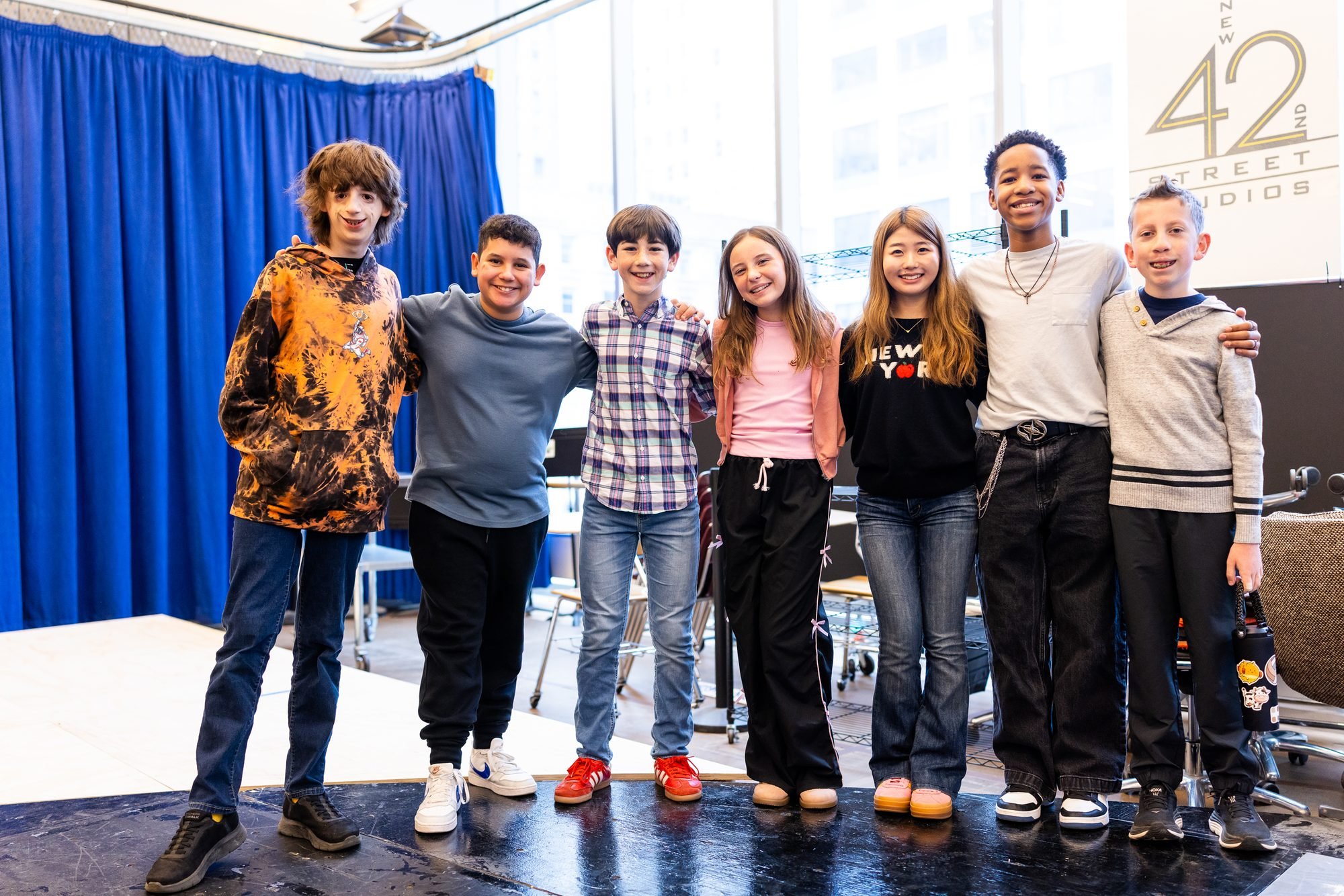
The cast of the musical “Wonder,” courtesy of Nile Scott Studios
My sons have introduced me to quite a few books that I wouldn’t have otherwise read, including “Wonder” by R.J. Palacio. Since its publication in 2012, the book has generated a groundswell of empathy and self-reflection. I know it’s a cliche, but being a kid these days is hard enough without a highly visible disability. Especially in a new school.
What I love most about the various fictional adaptations and follow-ons of “Wonder” is the voice they have given to artists and authors and experts to talk about their own challenges. That’s what drew my attention to a panel discussion this week of the new stage musical version of “Wonder” at the American Repository Theater in Boston.
To start the panel, the playwright talked about the pregnancy-related complication that changed her face forever—and her horror at the thought that her newborn twins would never see her smile as she had before their birth.
Smiling. Something we take so very much for granted.
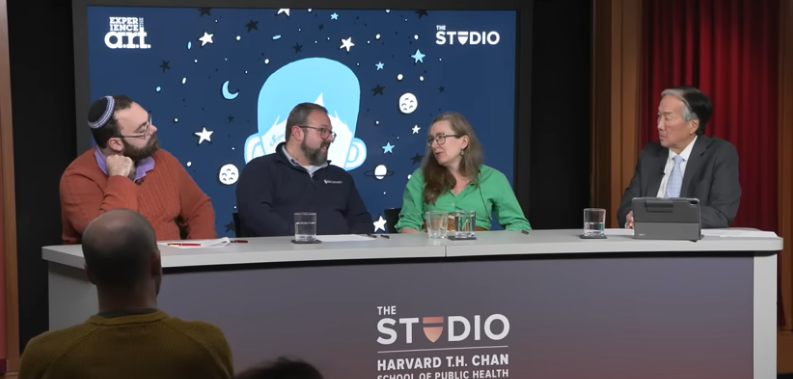
Panelists in “Cultivating compassion: Strategies for bullying prevention”
Recently an acquaintance asked for book recommendations for her 20-year-old son. He had requested books about “real life” for Christmas. Most of the social media suggestions were the typical uplifting bestsellers that adults like to share with each other. But my pick was another book from my kids’ recommendations for me based on their school literature classes. I feel strongly that if adults were required to read the books our teenagers are reading, the world would be a better place. “Wonder” is a good place to start.
“Our consultant came in one day and said, ‘How has this piece already changed you?’ And Reese [who plays a bully] raised his hand, and he said, ‘It’s changed me because I really realize that my voice can create harm.’ … And he started crying. He said, ‘So I feel very careful when I get off that stage. I do a little ritual or snap when I come off so that my normal self returns.’”